
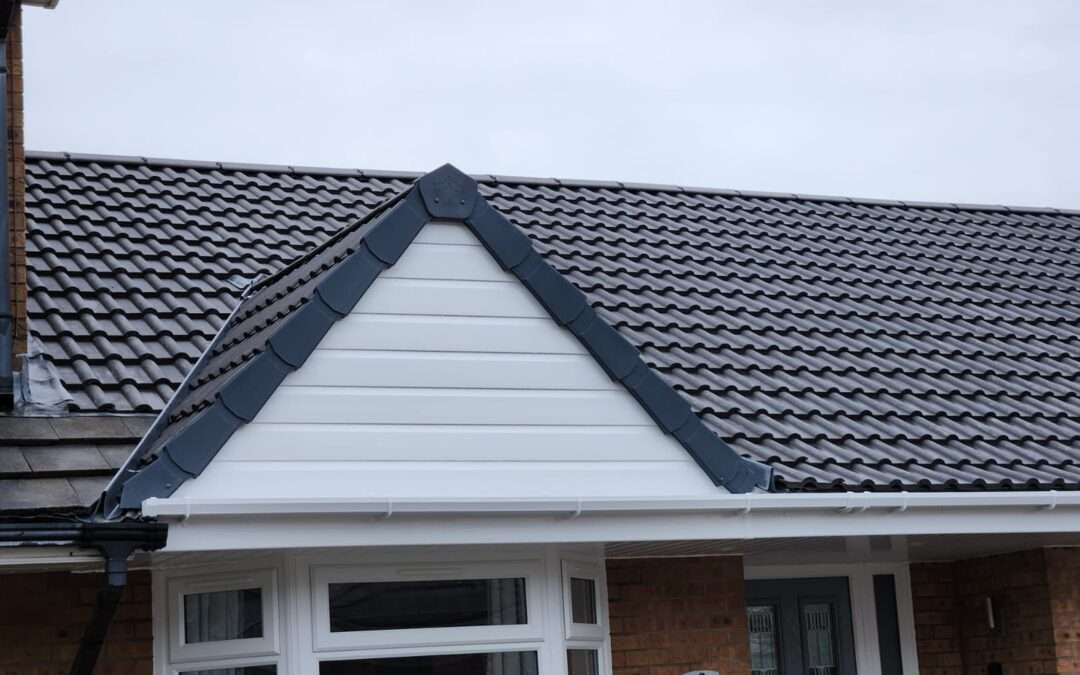
The North West throws a lot at a roof over winter. Wet, windy weeks across Wigan and Warrington, sharp frosts on the higher ground around Buxton, Matlock and Bakewell, and the odd named storm that rips a tile loose without anyone noticing. By the time spring arrives, most homes have picked up at least some minor damage. Some of it shows up quickly as a damp patch on a bedroom ceiling. The rest sits quietly for months and turns into a much bigger bill. A short spring check, done safely from the ground, is one of the cheapest things you can do as a homeowner this year. Here is the checklist we use ourselves.
Why a spring roof inspection matters
A roof is designed to shed water, wind and the odd bit of debris, but it does that work day in, day out. Winter speeds up the wear in three ways. Freeze-thaw cycles open tiny cracks in tiles and pointing. Strong winds lift the edges of tiles and stretch their fixings. Wet leaves and moss block gutters and push water back under the eaves. None of that looks dramatic on its own. Left for a season or two, it turns into rotten timbers, damp walls and ceilings that need replastering.
Catching the damage in April or May, while the weather is dry enough to fix things properly, usually keeps the cost in the tens or low hundreds rather than the thousands. A quick spring check also gives you a baseline. Next year you will spot anything new far more quickly.
What you can safely check from the ground
Stay on the ground. Most roof problems can be spotted from your garden or the pavement opposite, and a modern phone camera will zoom in further than any homeowner needs. Walk around the full outside of the house if you can, ideally on a dry, bright day, with a notepad or a checklist app open. If your house is tall or the angles do not give you a clear view, take photos from a neighbour’s drive (with their permission) and zoom in afterwards on the bigger screen.
Please, do not climb a ladder onto the roof, do not lean out of a Velux, and do not try to clear gutters at height yourself. Working at height is the part we are insured and trained for. The looking is the part you can safely do.
Signs of slipped, cracked or missing tiles
With your phone in hand, start at one corner of the house and work your way around. You are looking for anything that breaks the pattern. A tile that sits lower than the row next to it has slipped. A tile with a dark line across it is cracked. A gap of sky where a tile should be is missing.
Pay extra attention to three areas: the ridge tiles along the top of the roof, the hips at the corners, and the verges at the gable ends. These edges take the brunt of the wind and are usually the first to fail. If your roof was originally bedded in mortar (which most older houses around Wigan, Warrington and the Peaks were), look for chunks of mortar in the gutters or on the path below. Modern installations follow BS 5534, the British Standard for slating and tiling, and use a dry ridge system instead, which holds up far better in wet, windy weather.
Checking fascias, soffits and gutters
Drop your eyes from the tiles down to the white boards under the edge of the roof. Fascias and soffits do a quiet but important job: the fascia runs vertically along the eaves, the soffit sits horizontally underneath, and the gutter clips to the fascia. After a wet North West winter, look for peeling paint on any timber boards, sagging sections, dark damp staining, or any sign of birds and wasps making a home in the eaves.
Once timber fascias start to rot, they pull the gutter out of line, which then overflows and rots the timber further. It is a horrible loop, and it is easy to break early. Walk the line of the gutters and downpipes too. Look for small plants growing out of them, joints that drip after rain, or downpipes that are stained green. Each of those is a five-minute fix now, or a much bigger job in two years if it is ignored.
Flat roof checks: pooling, splits and seams
If you have a flat roof over an extension, garage, dormer or bay, it deserves its own check. From an upstairs window, look at the surface. Standing water more than a day after rain is a sign that the falls have settled, and the roof is near the end of its life.
Bubbles, splits or wrinkled patches on a felt roof show the membrane is breaking down. On a fibreglass (GRP) roof, hairline cracks tend to show up around the upstands where the flat meets a wall. On EPDM rubber, the most common failure point is the seams. None of these are emergencies in May, but they all get worse over a hot summer and a wet autumn. Better to know now and plan a repair or replacement on your own timetable.
When to call a professional roofer
Some findings are fine to leave until you renew the roof. A single hairline crack on a tile, a small patch of moss, a slightly stained downpipe; all of those can wait. Others are worth a phone call sooner rather than later.
Get a roofer out for a proper look if you find any of the following:
- Daylight visible through the roof when you look up from the loft.
- A damp patch or water staining on a bedroom or landing ceiling.
- A missing tile, or a tile that has clearly slipped down.
- Mortar regularly dropping off the ridge or verges.
- Standing water on a flat roof more than 24 hours after rain.
- A fascia or soffit board that visibly sags or feels soft.
A good local team will look across the full range of roofing services and give you an honest written report, not a long list of work you do not actually need.
Booking a free inspection with TRS
TRS Roofing & Guttering is a family business that has been working on roofs across Wigan, Warrington, St Helens, Leigh, Buxton, Matlock and Bakewell for years. If your spring check has thrown up anything you are not sure about, we will come out for a free, no-obligation inspection, take photos from the parts of the roof you cannot safely see, and write up exactly what (if anything) needs doing.
No pressure, no inflated quotes, no jargon. Call 0800 956 7199 or use the contact form to book a date that suits you. The earlier in spring you book, the easier it is to fit any work in before the busy summer.